Buy webleasing.eu ?
We are moving the project
webleasing.eu .
Are you interested in purchasing the domain
webleasing.eu ?
domain@kv-gmbh.de · 0541-91531010
Buy webleasing.eu ?
Why do you perform chest compressions?
Chest compressions are performed during cardiopulmonary resuscitation (CPR) to manually pump blood through the body when the heart is not able to do so effectively. This helps to maintain blood flow to vital organs, such as the brain, until more advanced medical help can arrive. The goal of chest compressions is to keep the person alive until their heart can be restarted or until emergency medical services can take over. **
How to perform chest compressions on individuals with funnel chest?
When performing chest compressions on individuals with funnel chest, it is important to adjust the hand placement slightly. Instead of placing the heel of the hand in the center of the chest, it should be positioned slightly to the side of the sternum to avoid putting direct pressure on the depressed area. The compressions should still be performed at a rate of 100-120 per minute, with the chest being compressed at least 2 inches deep. It is crucial to ensure that the compressions are effective in order to maintain blood flow and circulation to vital organs. **

Similar search terms for Chest compressions
Top-Angebote
Products related to Chest compressions:
-
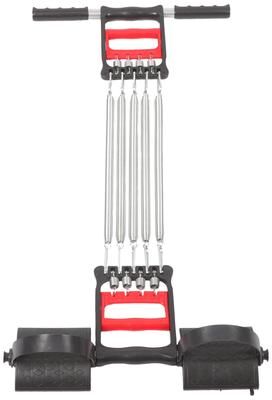
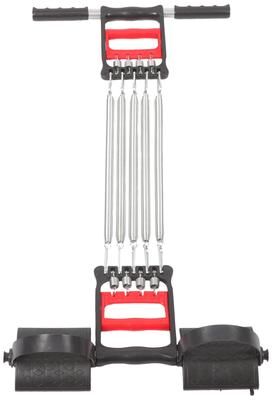
Healfit Counter 5 Spring Chest Expander, Hand Grip Trainer, Home Fitness Equipment, Arm Waist Abdomen Finger Tool 5 Spring Chest Expander, Hand Grip Trainer, Home Fitness Equipment, Arm Waist Abdomen Finger ToolFull Body Toning Made Simple At Home Build strength without a gym using this Hand Grip Trainer style 5 spring expander. It is practical Home Fitness Equipment that helps you feel stronger in your arms, shoulders, and upper body while fitting easily...74,97 $*Shipping: 0,00 $Secure redirect to the provider
-
Multisell Products Hub Gym Chest Developer Expander Stainless Steel Resistance Tension Puller For Men Fitness Muscles Exercise Equipment Gym Chest Developer Expander Stainless Steel Resistance Tension Puller For Men Fitness Muscles Exercise EquipmentTransform your fitness routine with the Gym Chest Developer Expander. Crafted from highquality stainless steel, this tool is designed to help you build stronger muscles with every rep. Whether you're training at home or the gym, it's perfect for...64,97 $*Shipping: 0,00 $Secure redirect to the provider
-
Smart Shopping Spot Spring Chest Expander For Men Durable Stainless Steel Fitness Equipment For Tension, Strength & Muscle Development Spring Chest Expander For Men Durable Stainless Steel Fitness Equipment For Tension, Strength & Muscle DevelopmentElevate your fitness journey with the Spring Chest Expander designed to help you build strength, tone muscles, and improve flexibility. Whether you're a beginner or an experienced fitness enthusiast, this tension puller is perfect for targeting...69,97 $*Shipping: 0,00 $Secure redirect to the provider
-
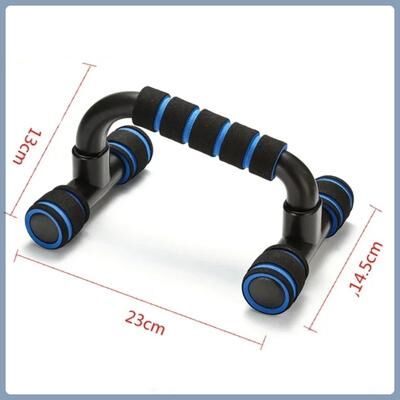
Multisell Products Hub Small Home Fitness Equipment For Men, H shaped Foam Push up Stand, Chest Muscle Training, Calisthenics Equipment a blue hMaximize Chest Muscle Training: This Hshaped foam pushup stand is designed to take your chest muscle workouts to the next level. Its ergonomic design helps support your wrists while focusing on building strength in your chest, shoulders, and...24,97 $*Shipping: 0,00 $Secure redirect to the provider

-
How do you perform chest compressions on a woman?
When performing chest compressions on a woman, the technique is the same as for a man. Place the heel of one hand on the center of the woman's chest, between the nipples. Place the other hand on top of the first hand and interlock the fingers. Keep your arms straight and position your shoulders directly above your hands. Press down firmly and quickly, allowing the chest to recoil completely between compressions. Remember to perform compressions at a rate of 100-120 per minute. **
-
How often do you perform chest compressions during resuscitation?
During resuscitation, chest compressions are typically performed at a rate of 100 to 120 compressions per minute. The compressions are performed continuously until emergency medical services arrive or until the person shows signs of life. **
-
What happens if you perform chest compressions without reason?
Performing chest compressions without reason can cause harm to the person receiving them. Chest compressions can cause broken ribs, damage to internal organs, and other injuries if not done properly or if not needed. It is important to only perform chest compressions when the person is in cardiac arrest and not breathing, as part of CPR. Otherwise, it is crucial to assess the situation and provide the appropriate care based on the person's condition. **
-
How to perform chest compressions on individuals with pectus excavatum?
When performing chest compressions on individuals with pectus excavatum, it is important to place the heel of your hand slightly higher on the sternum to ensure effective compression. This adjustment helps to avoid the deeper depression caused by the condition. It is also recommended to use the standard compression depth of at least 2 inches for adults and to maintain the proper rate of compressions at 100-120 per minute. Additionally, be mindful of any discomfort the individual may experience during the process and adjust your technique as needed. **

How do you perform chest compressions on individuals with pectus excavatum?
When performing chest compressions on individuals with pectus excavatum, it is important to place the heel of your hand slightly higher on the sternum to ensure effective compression. This adjustment helps to avoid putting excessive pressure on the chest wall and minimizes the risk of causing injury. It is also recommended to use the standard compression depth of at least 2 inches for adults and to maintain the proper rate of compressions, which is around 100-120 compressions per minute. Additionally, it is crucial to monitor the effectiveness of the compressions by checking for adequate chest rise and fall during CPR. **
Does the bra need to be removed during CPR with chest compressions?
Yes, the bra should be removed during CPR with chest compressions. It is important to have direct access to the chest in order to effectively perform chest compressions and ensure proper circulation of blood. Removing the bra allows for better positioning of the hands and more effective compressions, which can be crucial in a life-threatening situation. **
Top-Angebote
Products related to Chest compressions:
-
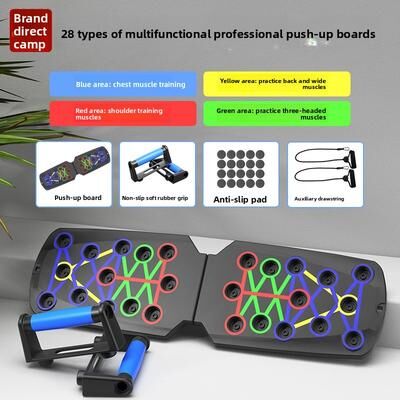
Youfap Market Multi Functional Solid Push Up Board, Home Workout Equipment For Chest And Muscle Building Multi Functional Solid Push Up Board, Home Workout Equipment For Chest And Muscle BuildingLooking to take your fitness routine to the next level This multifunctional push up board is the perfect addition to your home workout setup. Designed for chest muscle exercise, it offers a solid, durable platform to help you achieve your fitness...54,97 $*Shipping: 0,00 $Secure redirect to the provider
-
Healfit Counter Home Fitness Strengthener For Arm Exercise, Chest & Forearm Workout Equipment, Adjustable Shaker Twister Arm Trainer Home Fitness Strengthener For Arm Exercise, Chest & Forearm Workout Equipment, Adjustable Shaker Twister Arm TrainerTargeted Arm, Chest, and Forearm Toning Get a focused upper body burn with the Adjustable Shaker Twister Arm Trainer, built to activate your forearms, biceps, and chest through a satisfying twisting motion. It is a simple way to feel stronger,...69,97 $*Shipping: 0,00 $Secure redirect to the provider
-
Healfit Counter 5 Spring Chest Expander, Hand Grip Trainer, Home Fitness Equipment, Arm Waist Abdomen Finger Tool 5 Spring Chest Expander, Hand Grip Trainer, Home Fitness Equipment, Arm Waist Abdomen Finger ToolFull Body Toning Made Simple At Home Build strength without a gym using this Hand Grip Trainer style 5 spring expander. It is practical Home Fitness Equipment that helps you feel stronger in your arms, shoulders, and upper body while fitting easily...74,97 $*Shipping: 0,00 $Secure redirect to the provider
-
Multisell Products Hub Gym Chest Developer Expander Stainless Steel Resistance Tension Puller For Men Fitness Muscles Exercise Equipment Gym Chest Developer Expander Stainless Steel Resistance Tension Puller For Men Fitness Muscles Exercise EquipmentTransform your fitness routine with the Gym Chest Developer Expander. Crafted from highquality stainless steel, this tool is designed to help you build stronger muscles with every rep. Whether you're training at home or the gym, it's perfect for...64,97 $*Shipping: 0,00 $Secure redirect to the provider
-
Why do you perform chest compressions?
Chest compressions are performed during cardiopulmonary resuscitation (CPR) to manually pump blood through the body when the heart is not able to do so effectively. This helps to maintain blood flow to vital organs, such as the brain, until more advanced medical help can arrive. The goal of chest compressions is to keep the person alive until their heart can be restarted or until emergency medical services can take over. **
-
How to perform chest compressions on individuals with funnel chest?
When performing chest compressions on individuals with funnel chest, it is important to adjust the hand placement slightly. Instead of placing the heel of the hand in the center of the chest, it should be positioned slightly to the side of the sternum to avoid putting direct pressure on the depressed area. The compressions should still be performed at a rate of 100-120 per minute, with the chest being compressed at least 2 inches deep. It is crucial to ensure that the compressions are effective in order to maintain blood flow and circulation to vital organs. **
-
How do you perform chest compressions on a woman?
When performing chest compressions on a woman, the technique is the same as for a man. Place the heel of one hand on the center of the woman's chest, between the nipples. Place the other hand on top of the first hand and interlock the fingers. Keep your arms straight and position your shoulders directly above your hands. Press down firmly and quickly, allowing the chest to recoil completely between compressions. Remember to perform compressions at a rate of 100-120 per minute. **
-
How often do you perform chest compressions during resuscitation?
During resuscitation, chest compressions are typically performed at a rate of 100 to 120 compressions per minute. The compressions are performed continuously until emergency medical services arrive or until the person shows signs of life. **
Similar search terms for Chest compressions
-
Smart Shopping Spot Spring Chest Expander For Men Durable Stainless Steel Fitness Equipment For Tension, Strength & Muscle Development Spring Chest Expander For Men Durable Stainless Steel Fitness Equipment For Tension, Strength & Muscle DevelopmentElevate your fitness journey with the Spring Chest Expander designed to help you build strength, tone muscles, and improve flexibility. Whether you're a beginner or an experienced fitness enthusiast, this tension puller is perfect for targeting...69,97 $*Shipping: 0,00 $Secure redirect to the provider
-
Multisell Products Hub Small Home Fitness Equipment For Men, H shaped Foam Push up Stand, Chest Muscle Training, Calisthenics Equipment a blue hMaximize Chest Muscle Training: This Hshaped foam pushup stand is designed to take your chest muscle workouts to the next level. Its ergonomic design helps support your wrists while focusing on building strength in your chest, shoulders, and...24,97 $*Shipping: 0,00 $Secure redirect to the provider
-
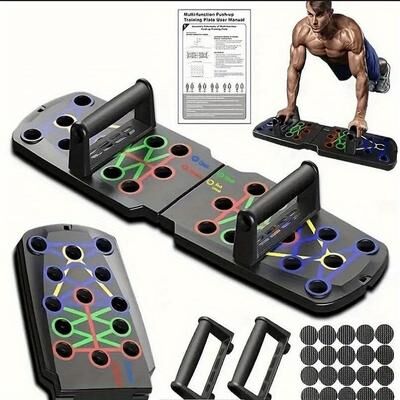
Lush Living Finds Foldable Portable Multifunctional Push Up Board Set With Handles, Fitness Equipment For Arms Chest Abdomen And Back Foldable Portable Multifunctional Push Up Board Set With Handles, Fitness Equipment For Arms Chest Abdomen And BackTransform Your Home Fitness Routine: This Portable Multifunctional PushUp Board Set offers a comprehensive solution for your fitness needs. Designed for efficient chest, abdomen, arms, and back training, this foldable fitness equipment provides...49,97 $*Shipping: 0,00 $Secure redirect to the provider
-
Healfit Counter Gym Equipment Push Ups Stands, Sport Plank Home Fitness Bar Abdominal Abs Chest Exercise reinforced SuitTransform your fitness routine with this Push Up Board Gym Equipmentdesigned for everyone from beginners to experienced fitness enthusiasts. Whether you want to tone your abdominal muscles, build a stronger chest, or master fullbody pushups, this...53,97 $*Shipping: 0,00 $Secure redirect to the provider
-
What happens if you perform chest compressions without reason?
Performing chest compressions without reason can cause harm to the person receiving them. Chest compressions can cause broken ribs, damage to internal organs, and other injuries if not done properly or if not needed. It is important to only perform chest compressions when the person is in cardiac arrest and not breathing, as part of CPR. Otherwise, it is crucial to assess the situation and provide the appropriate care based on the person's condition. **
-
How to perform chest compressions on individuals with pectus excavatum?
When performing chest compressions on individuals with pectus excavatum, it is important to place the heel of your hand slightly higher on the sternum to ensure effective compression. This adjustment helps to avoid the deeper depression caused by the condition. It is also recommended to use the standard compression depth of at least 2 inches for adults and to maintain the proper rate of compressions at 100-120 per minute. Additionally, be mindful of any discomfort the individual may experience during the process and adjust your technique as needed. **
-
How do you perform chest compressions on individuals with pectus excavatum?
When performing chest compressions on individuals with pectus excavatum, it is important to place the heel of your hand slightly higher on the sternum to ensure effective compression. This adjustment helps to avoid putting excessive pressure on the chest wall and minimizes the risk of causing injury. It is also recommended to use the standard compression depth of at least 2 inches for adults and to maintain the proper rate of compressions, which is around 100-120 compressions per minute. Additionally, it is crucial to monitor the effectiveness of the compressions by checking for adequate chest rise and fall during CPR. **
-
Does the bra need to be removed during CPR with chest compressions?
Yes, the bra should be removed during CPR with chest compressions. It is important to have direct access to the chest in order to effectively perform chest compressions and ensure proper circulation of blood. Removing the bra allows for better positioning of the hands and more effective compressions, which can be crucial in a life-threatening situation. **
* All prices are inclusive of VAT and, if applicable, plus shipping costs. The offer information is based on the details provided by the respective shop and is updated through automated processes. Real-time updates do not occur, so deviations can occur in individual cases. ** Note: Parts of this content were created by AI.